Think Pink. Build Better.

Owens Corning Shingles & Insulation for Code-Ready Building Envelopes

Specification writers and general contractors choose Owens Corning when architectural shingles, fiberglass batts, and foam board continuous insulation must publish verified R-value, wind uplift, and fire classification data before bid packages freeze across North American climate zones.

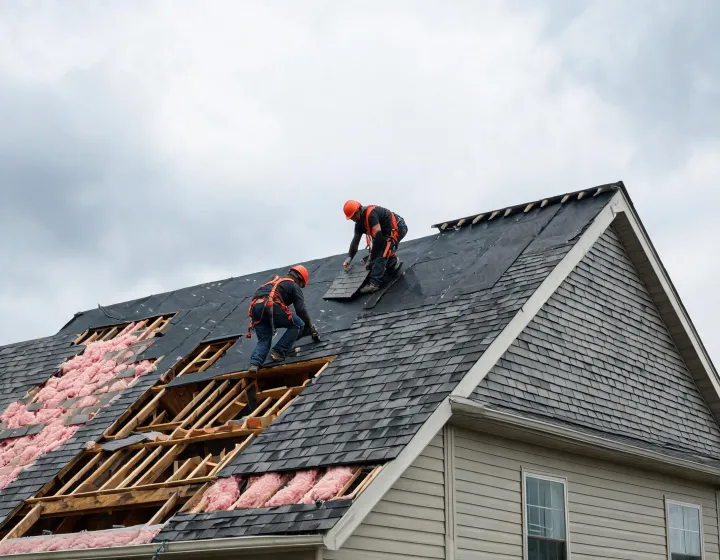
Crew installing Owens Corning architectural shingles on a steep-slope residential roof
Comparative engineering data

Duration Shingles vs Foam Board Continuous Insulation

Side-by-side parameters for teams comparing steep-slope roofing assemblies against rigid foam board continuous insulation when wind rating, thermal resistance, and warranty pathways govern the envelope detail.

Parameter Duration Architectural Shingles FOAMULAR XPS Foam Board
Primary performance metric Wind uplift to 130 mph (designated grades) R-5 per inch (≈ ft²·°F·h/BTU) typical XPS thermal resistance
Fire / listing pathway Class A fire classification assemblies ASTM C578 Type IV; ICC-ES evaluation reports
Impact / compressive strength Class 4 impact options on designated Duration grades Published psi grades for below-grade & wall CI (ASTM C578)
Moisture / vapor behavior Underlayment + ventilation detailing required Closed-cell XPS; low water absorption rate vs open-cell foams
Warranty context Limited lifetime with Preferred Contractor paths Published thermal performance warranties by thickness
Typical construction use Steep-slope residential & light commercial roofs Continuous insulation, foundations, rim boards
Code documentation ICC-ES / UL listed assembly notes ENERGY STAR Partner assemblies where applicable
Performance architecture

Why Envelope Teams Specify Owens Corning Systems

Each capability maps to a decision gate architects, roofing consultants, and procurement managers close before shingle colors and insulation thickness lock on the purchase order.

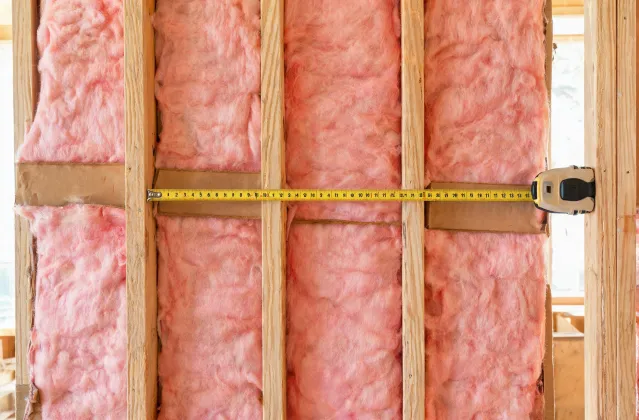
Fiberglass insulation batts with kraft facing in a wood stud wall

Published R-value for climate-zone packages

Pink fiberglass batts and loosefill systems ship with thickness charts that energy modelers cite when IECC climate zones demand R-38 attics or R-20 walls. Specifiers avoid speculative derates by matching facing type, compression limits, and vapor retarder orientation to the wall drying strategy—not a single national default. Limit to note: published cavity R-value assumes full thickness; compressed batts at wiring or overdriven staples erase that number in the field.
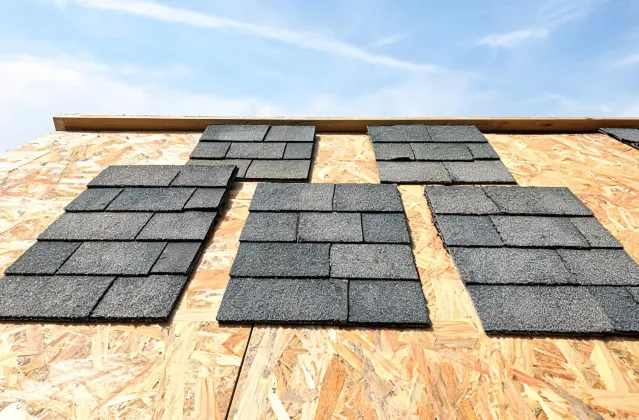
Architectural shingle color board on a roof mock-up deck

Laminated shingle geometry that holds wind loads

Duration and TruDefinition laminated shingles use SureNail technology and strip reinforcement so wind uplift ratings survive plan review in coastal and prairie jurisdictions. Color boards stay consistent across multiphase communities when Preferred Contractors reserve the same lot families for phase-two roofs.

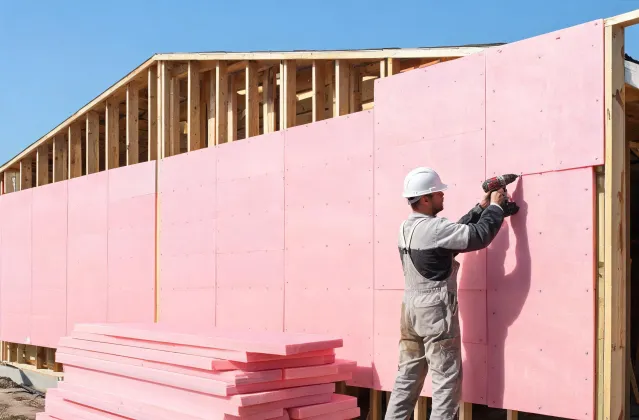
Rigid foam board continuous insulation on exterior sheathing

Continuous insulation that cuts thermal bridging

FOAMULAR XPS foam board delivers closed-cell continuous insulation outboard of wood or steel studs so thermal bridging at framing does not erase cavity R-value. Below-grade and rim-board details use compressive strength grades that inspectors can verify against ASTM C578 declarations.

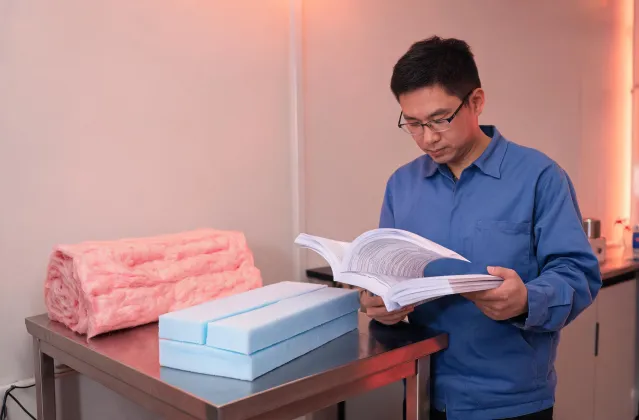
Engineer reviewing ICC-ES evaluation report with insulation samples

Code-compliant documentation, not brochure claims

ENERGY STAR Partner status, GREENGUARD Gold indoor air certifications, ICC-ES evaluations, and UL listings travel with submittal packages. On the aesthetics-versus-performance debate, shingle color boards matter for HOA review—but the data sheet still leads with wind, impact, and fire classification numbers inspectors verify.

1938
Founded in fiberglass science
25k
Employees across manufacturing & field desks
31+
Countries with product availability
Class 4
Impact-resistant shingle options
Construction segments

Roofing & Insulation Mapped to Building Types

From production home communities to light commercial shells, Owens Corning packages align thermal resistance, wind uplift, and acoustic comfort with the roles who sign off on Division 07 submittals.

Production housing

R-value wall and attic packages with architectural shingles reserved by lot for multiphase communities.

Multifamily envelopes

Party-wall fiberglass fills and steep-slope roofs that balance STC goals with Class A fire pathways.

Light commercial

Foam board continuous insulation and laminated shingles for offices, clinics, and retail shells.

Coastal & high-wind zones

Duration wind ratings and underlayment stacks sized for hurricane and prairie uplift criteria.

Cold-climate attics

Loosefill and batt systems targeting IECC attic R-values with ventilation calculator support.

Retrofit re-roofs

Tear-off guidance, ventilation upgrades, and impact-resistant replacements for aging asphalt roofs.

“On a 2024 Midwest 140-home community, Duration shingles and R-38 attic batts locked before framing. Owens Corning wind and R-value sheets cleared plan review on the first submittal—no speculative derates, and TruDefinition color lots reserved for phase-two roofs matched the 2023 phase-one palette.”
Field scenario — production housing Composite notes from Preferred Contractor jobsite briefings (Midwest IECC climate zones 5–6)

Send Climate Zone, R-Value, and Wind Targets Before Bid Day

Include climate zone, target R-value, wind or Class 4 impact goals, and roof slope. The desk returns published data sheets, ICC-ES notes, and Preferred Contractor routing with lot-continuity flags for multiphase roofs.

  • R-value charts for batts, loosefill, and XPS foam board
  • Wind uplift and Class 4 impact documentation for shingles
  • GREENGUARD Gold and ENERGY STAR Partner references
  • Installation guides and CAD details for envelope assemblies

Request Technical Specs